
Carthaginians found Barcelona along the coast of Catalonia. Romans, Visigoths, Umayyads, and even Plague laid siege on the city cutting down the population in regular intervals. The port city was overrun by people living in filth and squalor with disease outbreaks in the industrial age during the mid-1850s. Constricted by the medieval wall surrounding the city, the citizens began to demolish centuries-old gridlocks and unite the old town and surrounding villages.
City of Memory and Dreams
Civil engineers and architects began to dream of wider sunlit streets, free-flowing traffic, tall gothic structures, and narrow walking streets forming perfect geometric shapes crisscrossing the city at the foot of the Serra de Collserola mountain range. Ildefonse Cerda, the civil engineer conjured grid patterns, long straight streets, wide avenues, and superillos with chamfered corners to design his masterpiece, the district of Eixample. Modernista architects led by Antoni Gaudi began to fill the dreams of Engineers.
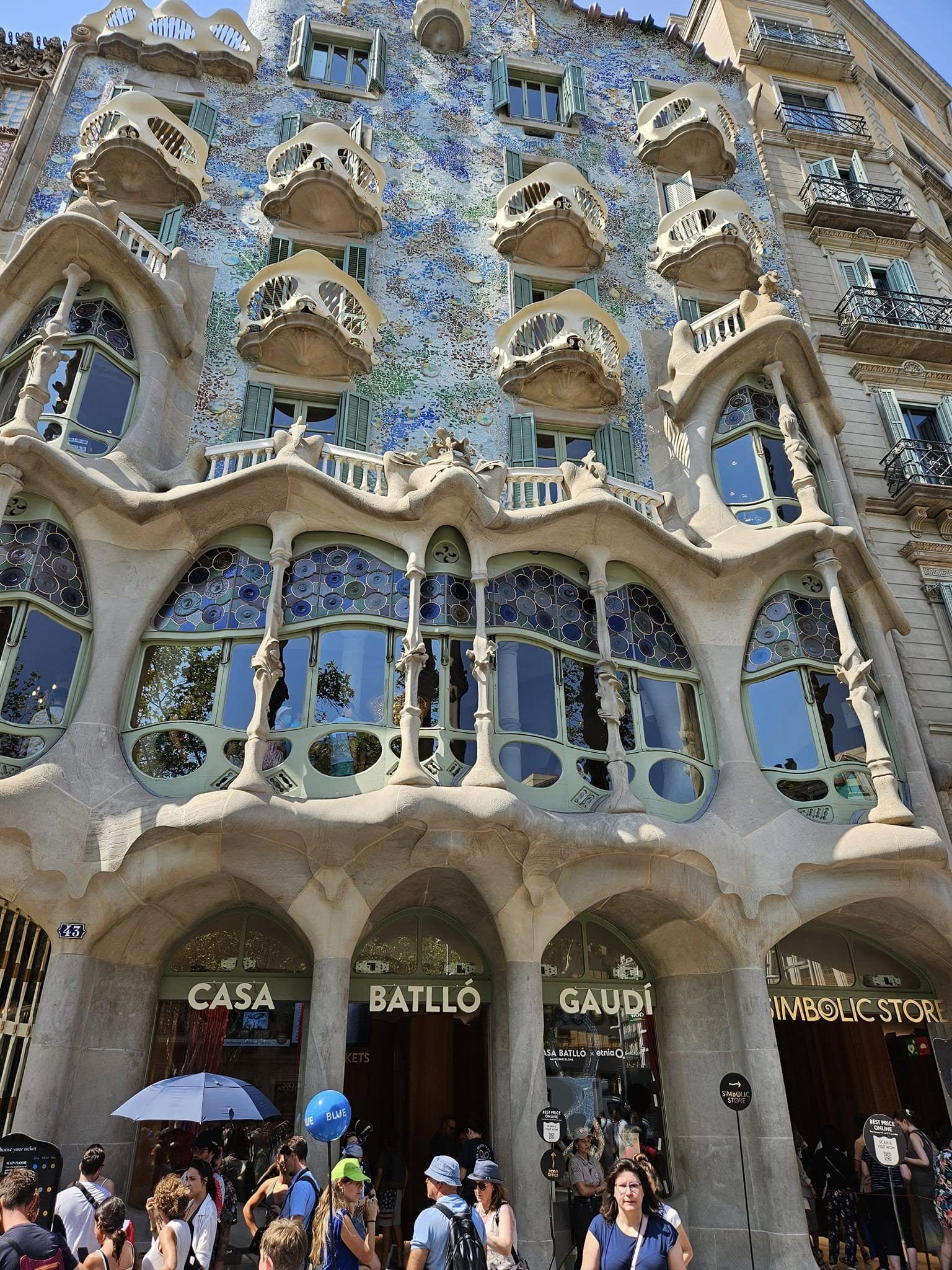
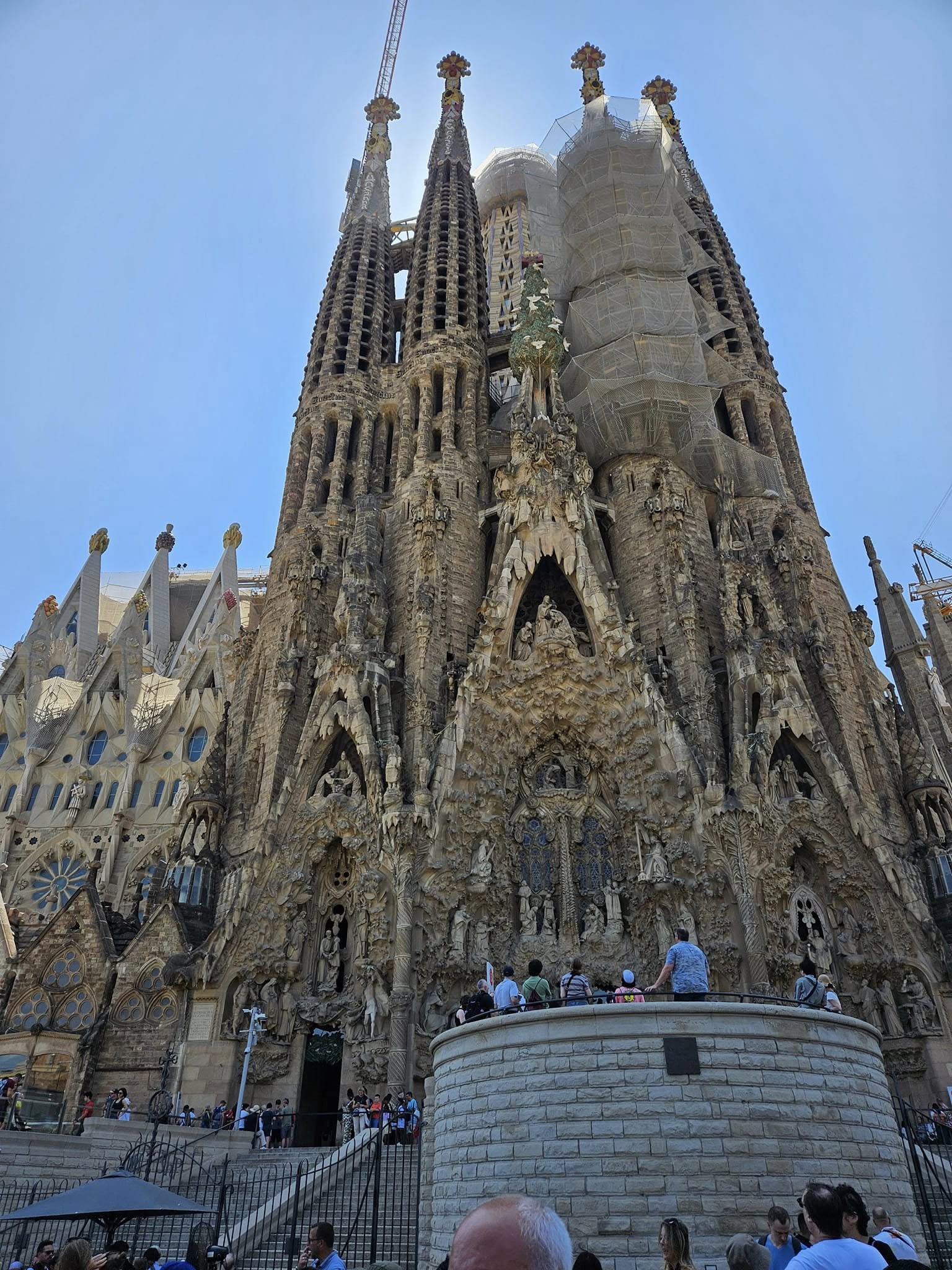
Barcelona, invoking Italo Calvino’s invisible city Zora, has the quality of remaining in your memory point by point, in its succession of streets, of houses along the streets, and of doors and windows in the houses replete with a medieval touch of Nordic, Gothic and Spanish plateresque flourish along with Catalan motifs. You stand in front of Sagrada Familia leaning towards you, striking awe with its façade and vaults reminding you of the glory of the Christian vision of hell and heaven. The vision follows as you make your way through the fantastic spiraling corridors of Casa Battlo, watch Gaudi’s Salamander at the slanted trails in Park Guell, alleyways paved in cobblestones, and town squares branching off of the divine Barcelona cathedral.
City and Streets
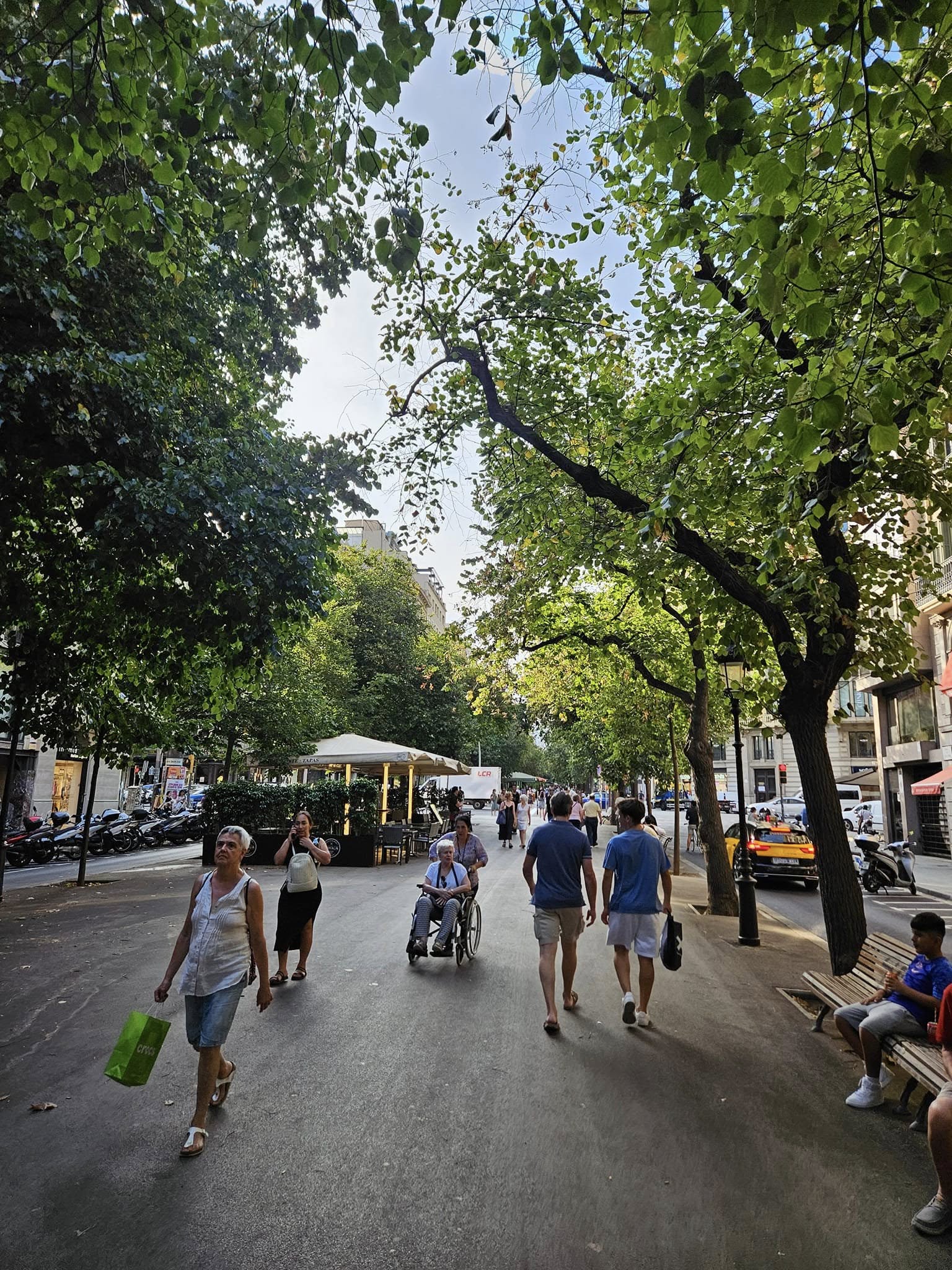
Rambla De Catalunya is the street where you find the happy trail lined by lime trees on either side where the buskers are serenading restaurant patrons sipping on cool Sangria, with Spanish guitars. The servers are busy working their magic twirling trays of tapas and paella, yet finding time to insist on how to savor the food as Spaniards do. You walk along the stony pavements among the smartly dressed people, wander into the marketplace where exotic merchandise is on sale, and walk out into a corner store with music memorabilia from hundreds of years ago. In the evening you go out to the beach where a hundred busybodies set themselves on canoes to the warm Mediterranean Sea leaving the rest lazing in sand under the sun!
Protests against tourists may be flaring elsewhere, but the city of Barcelona is busy opening its arms to those stepping out to the sunny streets to marvel at the vision of Gaudi and Cerda.
 Chronicles